Select the right tools for the mission
I don’t believe in one-size-fits-all. Before I start building, I think about what the product actually needs, not what’s popular or familiar. The stack and the structure should always support the experience.
Not a resume. More like the path behind the screen.
I was born in Damascus, I live in Dubai now, and somewhere between those two places I became the kind of person who cares deeply about how digital experiences feel. I started with design, grew into front-end, and slowly found out that the details most people barely notice are usually the ones I care about most.
No matter what I am building, I keep returning to the same three things. I want it to feel clean, I want it to move with intention, and I want it to leave behind a feeling that tells you a real person cared about it.
I don’t believe in one-size-fits-all. Before I start building, I think about what the product actually needs, not what’s popular or familiar. The stack and the structure should always support the experience.
I naturally think from both directions. I care about how things look, but also how they behave and scale. I don’t just implement. I adjust and connect ideas until design and logic actually meet.
I don’t like work that feels replaceable. Even in small details, I look for ways to add intention, a smoother transition or a subtle response that makes the experience feel considered.
Before job titles and frameworks, there were instincts I kept following without fully knowing it. Looking back, this is where my story with digital work really starts.
Make it
Easy.
Make it
Meaningful.
Make it
Memorable.
That has quietly become my rhythm. First I try to create comfort, then I try to create feeling, and only after that do I look for the detail that gives the work its own voice.
I’ve always prioritized the basics of any tech stack. For me, understanding the foundations is what makes complex work feel natural. I’ve believed from the start that when your roots are solid, you don't just use tools, you master them.
I care deeply about the heartbeat of a brand. I obsess over choosing the exact colors and fonts that match the specific meaning of each project. By following strict rules of color balance and harmony, I ensure every interface feels intentional and visually sophisticated.
Animation changed how I saw interfaces. It stopped feeling like decoration and started feeling like emotion, timing, feedback, and story all living inside the same product.
I’ve learned that the difference between a good product and an elite one is in the details you cannot see. I obsess over the final 1%, the invisible performance optimizations and tweaks that make a website feel fast, lightweight, and effortlessly refined.
I care about systems and clean execution, but I never want the work to feel cold. I want every product to carry some warmth, some intent, and a visible trace of the person who built it.
Every role left something behind in me. Some taught discipline, some taught scale, some taught confidence, and all of them shaped the way I think and build today.
This is the part of my story where responsibility became much bigger. I am helping lead the rebuild of Dubai Here into a modern GIS platform, shaping not just screens, but the system and standards behind how the product grows.
This is where I really grew up professionally. I worked on a large municipal platform, built many interactive components, and learned how to turn heavy requirements into something that still felt clear, useful, and well made.
This chapter matters to me because design and development finally stopped feeling separate. I was building interfaces, shaping prototypes, and learning how visual decisions completely change the way a product is experienced.
This was the beginning in Damascus. I was designing websites, landing pages, and responsive templates, and that period taught me the discipline of deadlines, the value of the basics, and how much care good work really takes.
Every tool is a deliberate choice. This is the repertoire I rely on to turn production intent into high-performance digital reality.
Work only ever gets as good as what you feed it. Games, films, and long detours through other people’s websites are where most of my ideas actually start. And time with family is the part that keeps all of it in proportion.
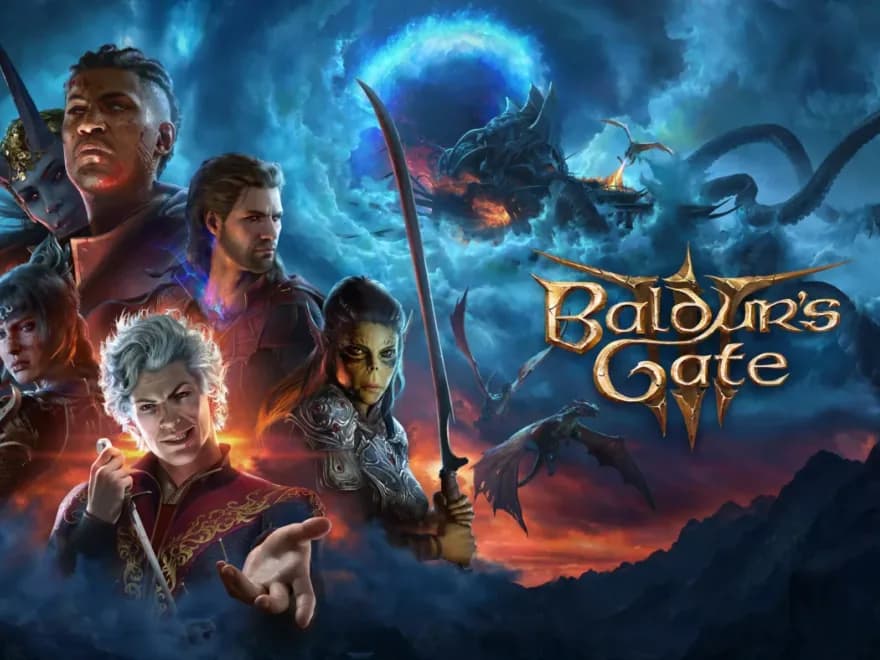
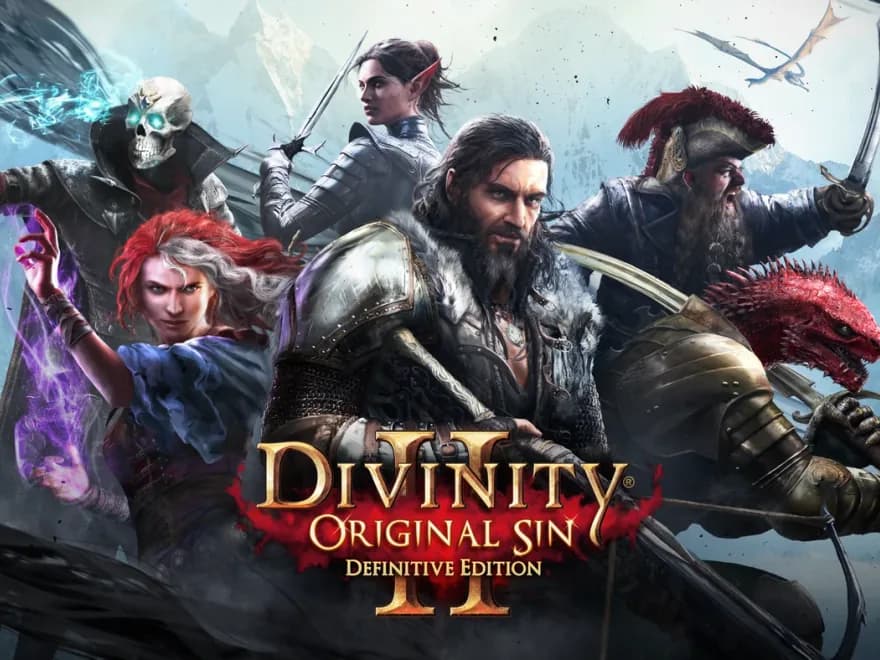
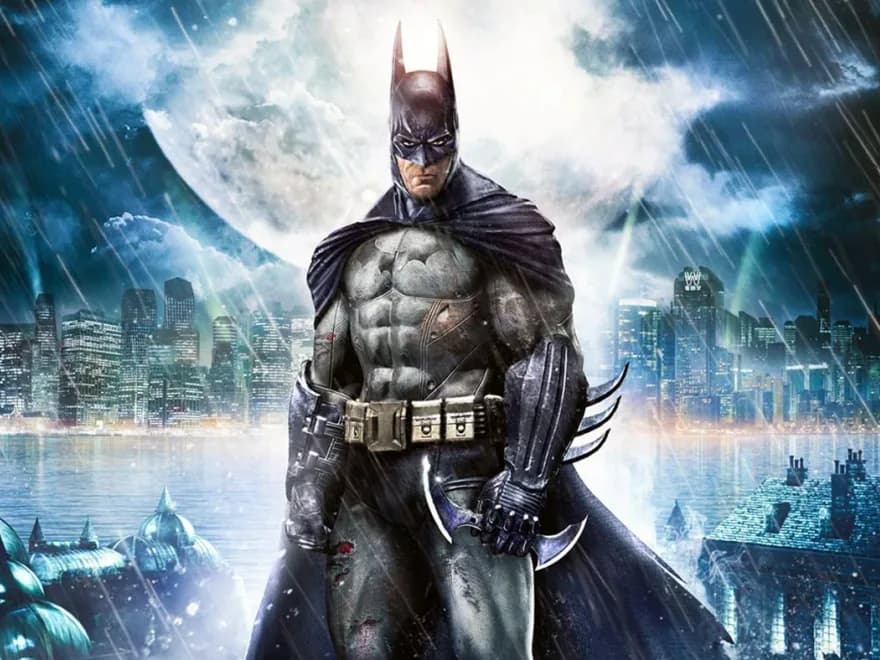
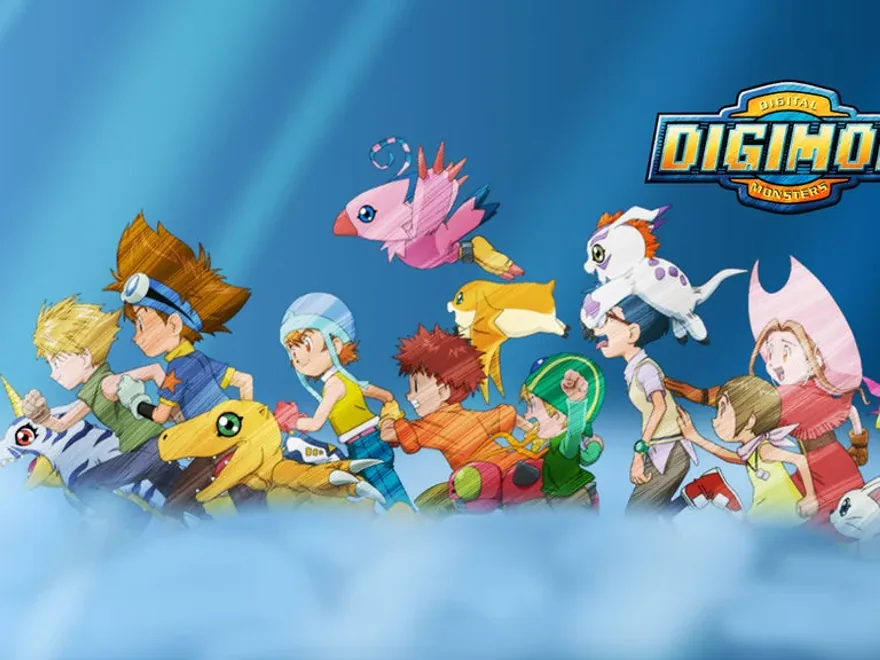
Games have been part of my life since the PS1 days. Today, most of my creative vision comes from the worlds I explore; when I play, I’m not just a gamer, but a creative developer studying how immersion, pacing, and satisfying interactions should feel.
I spend a lot of time exploring studio websites, portfolios, and experimental work because it keeps my taste alive. It reminds me that there is a huge difference between a page that functions and a page that leaves a feeling.
I genuinely enjoy following the front-end world as it changes. New tools, browser capabilities, and creative techniques always pull me in because they open new ways to build better experiences.
Films and series have a big influence on how I see mood and atmosphere. A lot of the way I think about contrast, pacing, tension, and visual weight honestly comes from the screen as much as from design.
This is the one thing I never trade for a deadline. Family time is where I actually switch off, and it is the reason the rest of it is worth doing at all.
When I look at apps and products, I am usually trying to understand the decisions behind the feeling. I want to know why something feels smooth, why it feels trustworthy, and where the clarity really comes from.
Reading is one of the quieter parts of my growth. Some books help me think better, some help me design better, and some simply remind me what thoughtful work looks like.
where it started, done properly
the interactive half of the same set
the language, properly
the one that stays on the desk
clarity and usability
what React does underneath
splitting a frontend without splitting the team
the trade-offs behind every structure
changing code without breaking it
Games were one of my first schools for immersion, pacing, mood, and interface feeling. Long before I built digital experiences, I was learning from the ones I loved playing.

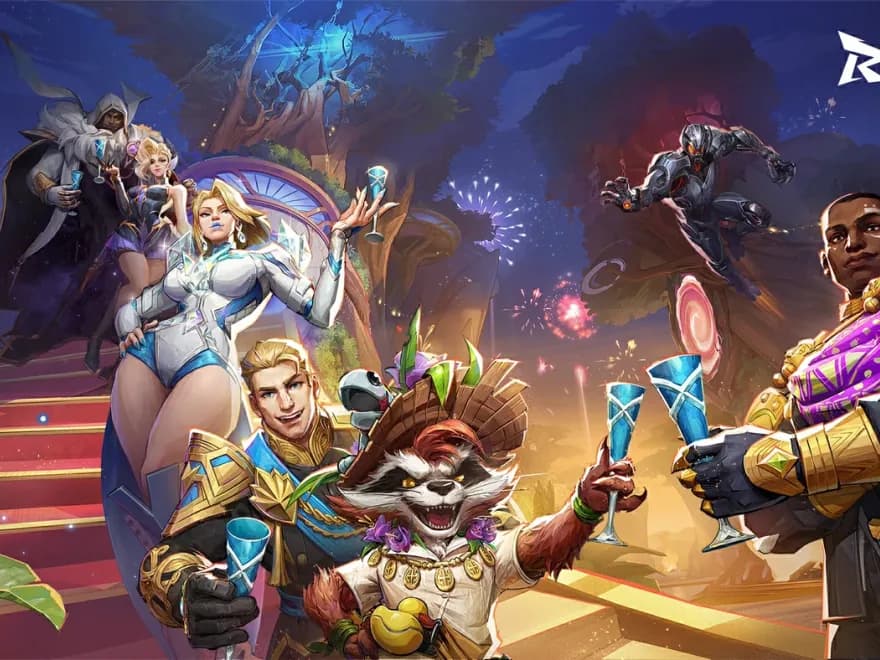
Team-up moves and arenas that fall apart around you. Every match ends up looking like a comic panel.

Builds, companions, dice rolls, and bad decisions all become part of the story instead of a checklist.

Reactive quests, origin characters, and elemental combat that make the world feel awake.

The first game where the controls made me feel like the character instead of just moving him around.

Raising something that changed based on how you treated it. My first lesson in a world that reacts to you.

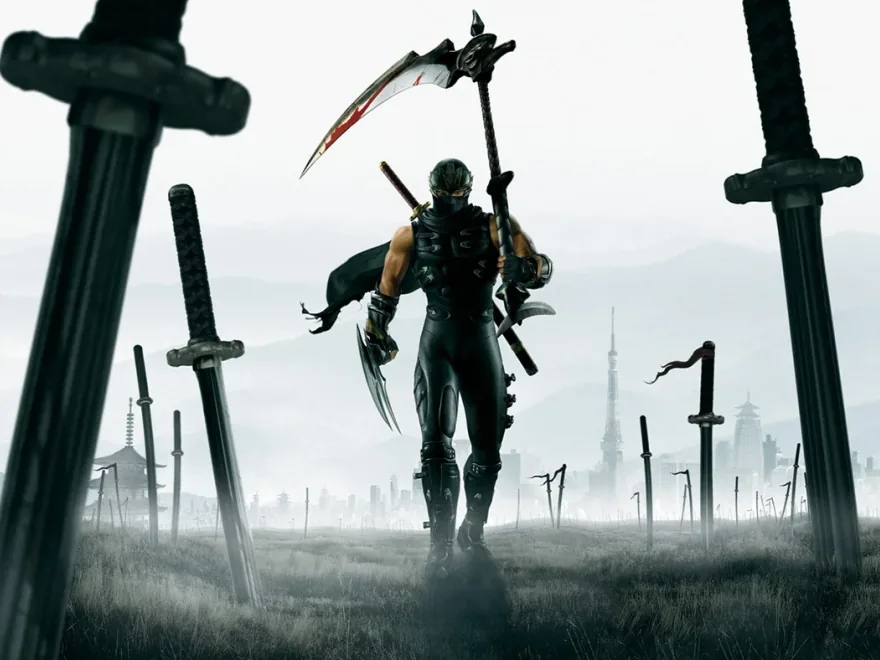
Punishing, fast, and completely fair. It taught me that difficulty can be a design choice.

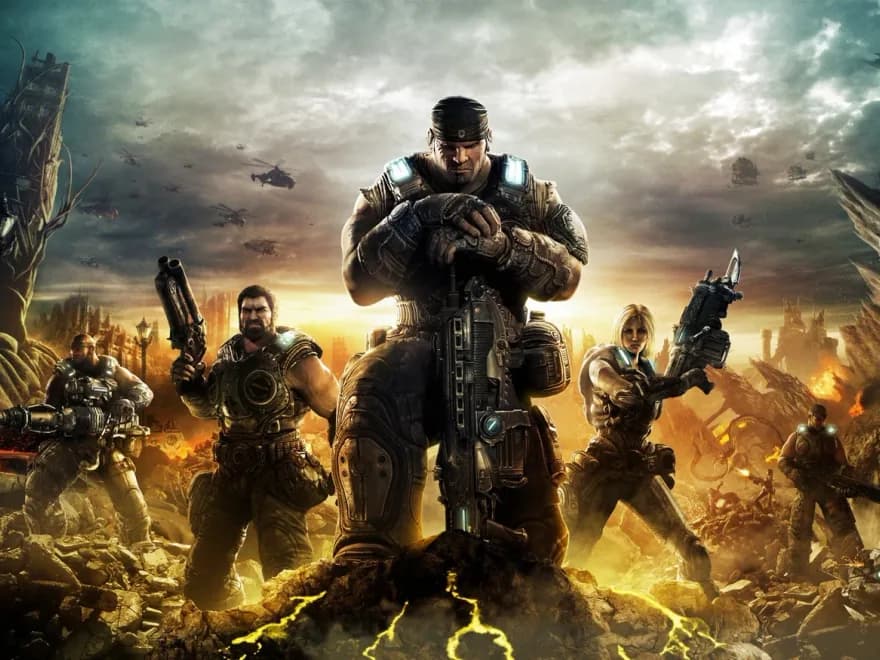
Heavy and grounded. The first shooter where taking cover actually felt like weight.

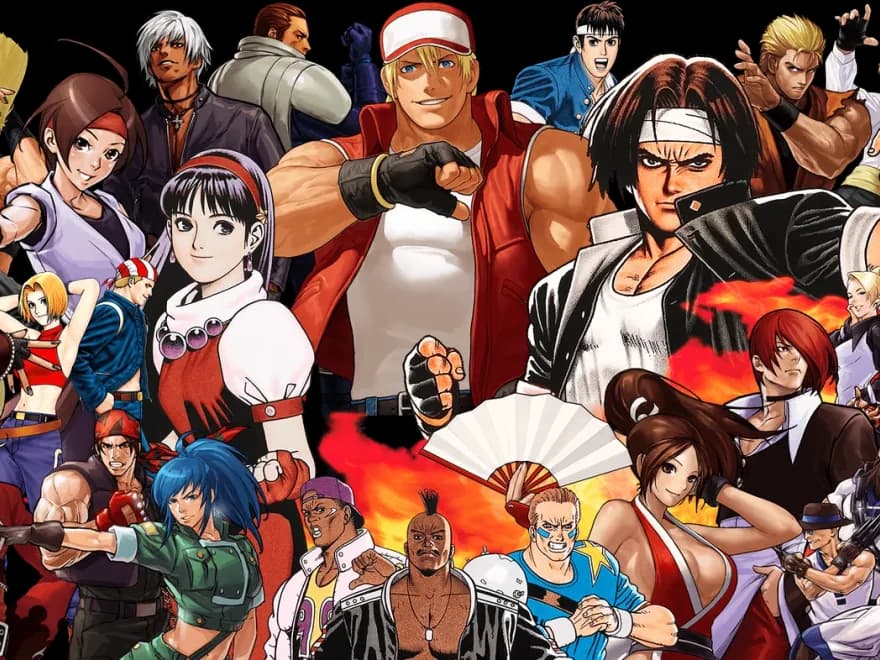
Three characters, one rhythm. SNK pixel art still holds up better than most things made today.

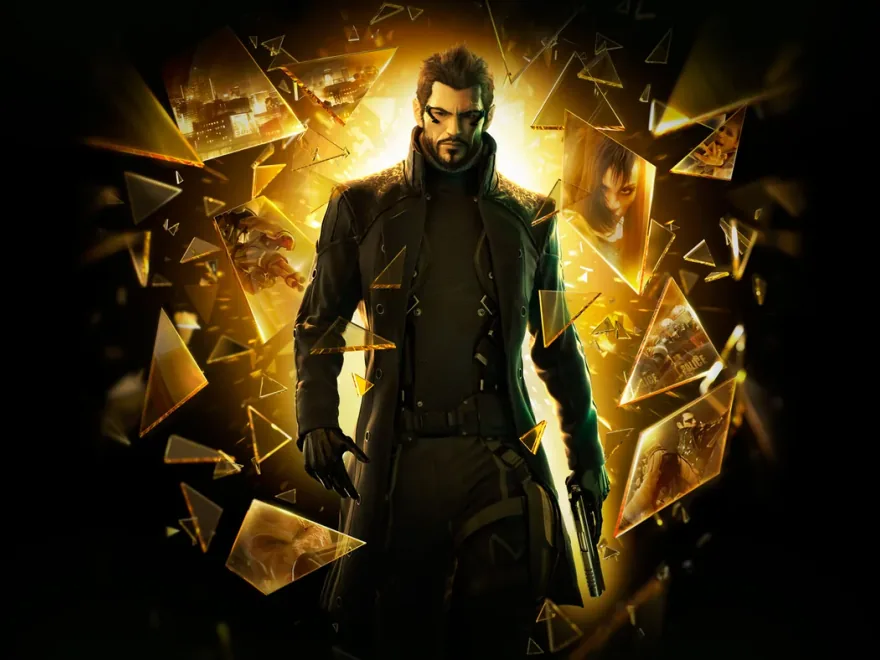
Gold-lit cyberpunk and a game that never told me the right way to solve anything.

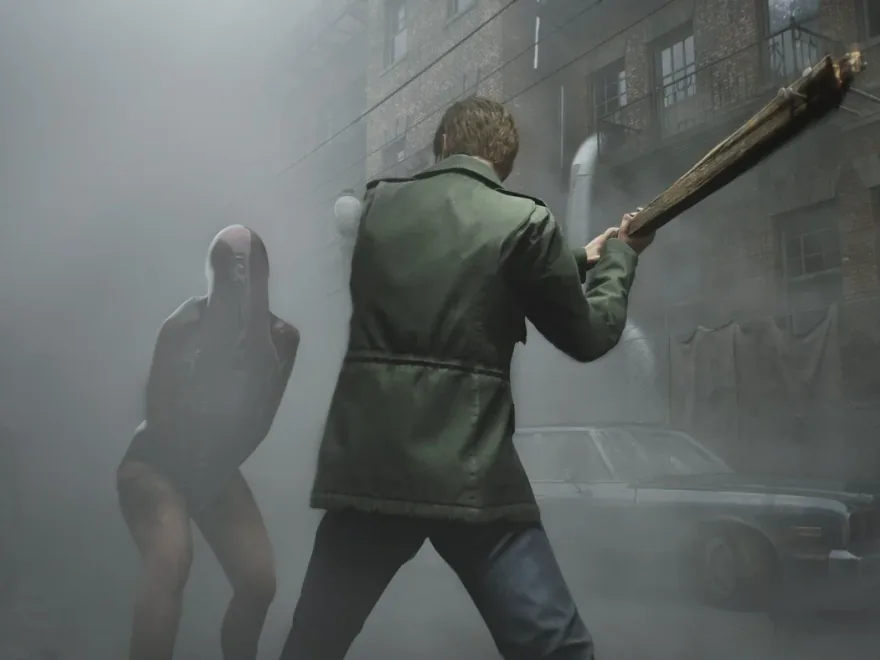
Fog, sound, and quiet psychological pressure that let your mind finish the horror.

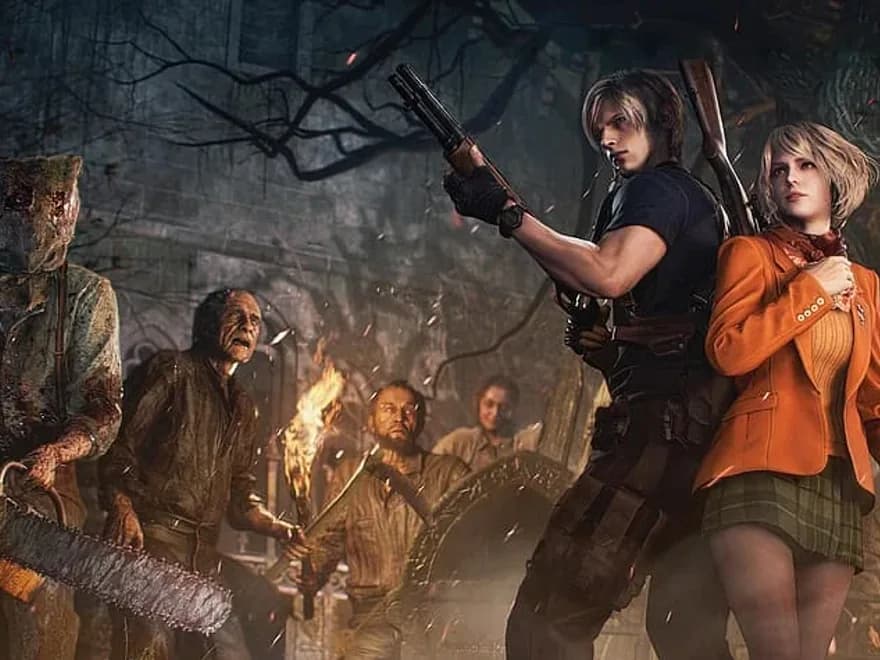
Limited resources, careful routes, and pressure-release pacing that make every hallway matter.

Builds, companions, dice rolls, and bad decisions all become part of the story instead of a checklist.

Reactive quests, origin characters, and elemental combat that make the world feel awake.

The first game where the controls made me feel like the character instead of just moving him around.

Raising something that changed based on how you treated it. My first lesson in a world that reacts to you.

Punishing, fast, and completely fair. It taught me that difficulty can be a design choice.

Heavy and grounded. The first shooter where taking cover actually felt like weight.

Three characters, one rhythm. SNK pixel art still holds up better than most things made today.

Gold-lit cyberpunk and a game that never told me the right way to solve anything.

Fog, sound, and quiet psychological pressure that let your mind finish the horror.

Limited resources, careful routes, and pressure-release pacing that make every hallway matter.

Team-up moves and arenas that fall apart around you. Every match ends up looking like a comic panel.
I am proud of where I am, but I still feel in motion. This is the part of the story that is still unfolding, and the kind of work I know I want to grow into.
The next version of my work sits deeper inside creative development, where design taste, motion, storytelling and engineering stop being separate jobs.
Next: deeper into 3D on the web. Not as a technical flex, but only where it makes something faster to understand or better to sit inside.
The goal is products that feel premium in motion, not just in screenshots. How they respond, how they guide you, what stays with you after you close the tab.
Long term, I want someone to open a site and recognize it as mine before they see my name on it.